
Equine Therapy
Equine therapy, also known as equine-assisted therapy, uses horses to support mental, emotional, and physical well-being through structured interactions guided by trained professionals.
What is Equine Therapy?
Equine therapy involves working with horses under the supervision of a mental health professional and an equine specialist to promote emotional regulation, personal growth, and physical rehabilitation. It is used for a wide range of conditions, including anxiety, depression, PTSD, ADHD, autism spectrum disorders, addiction, grief, and developmental or physical disabilities (WebMD, Psychology Today, AAC). The therapy can be ground-based(interacting with horses on the ground) or riding-based, depending on the program and client needs (Eagala, WebMD).
Coming Soon

Types of Equine Therapy
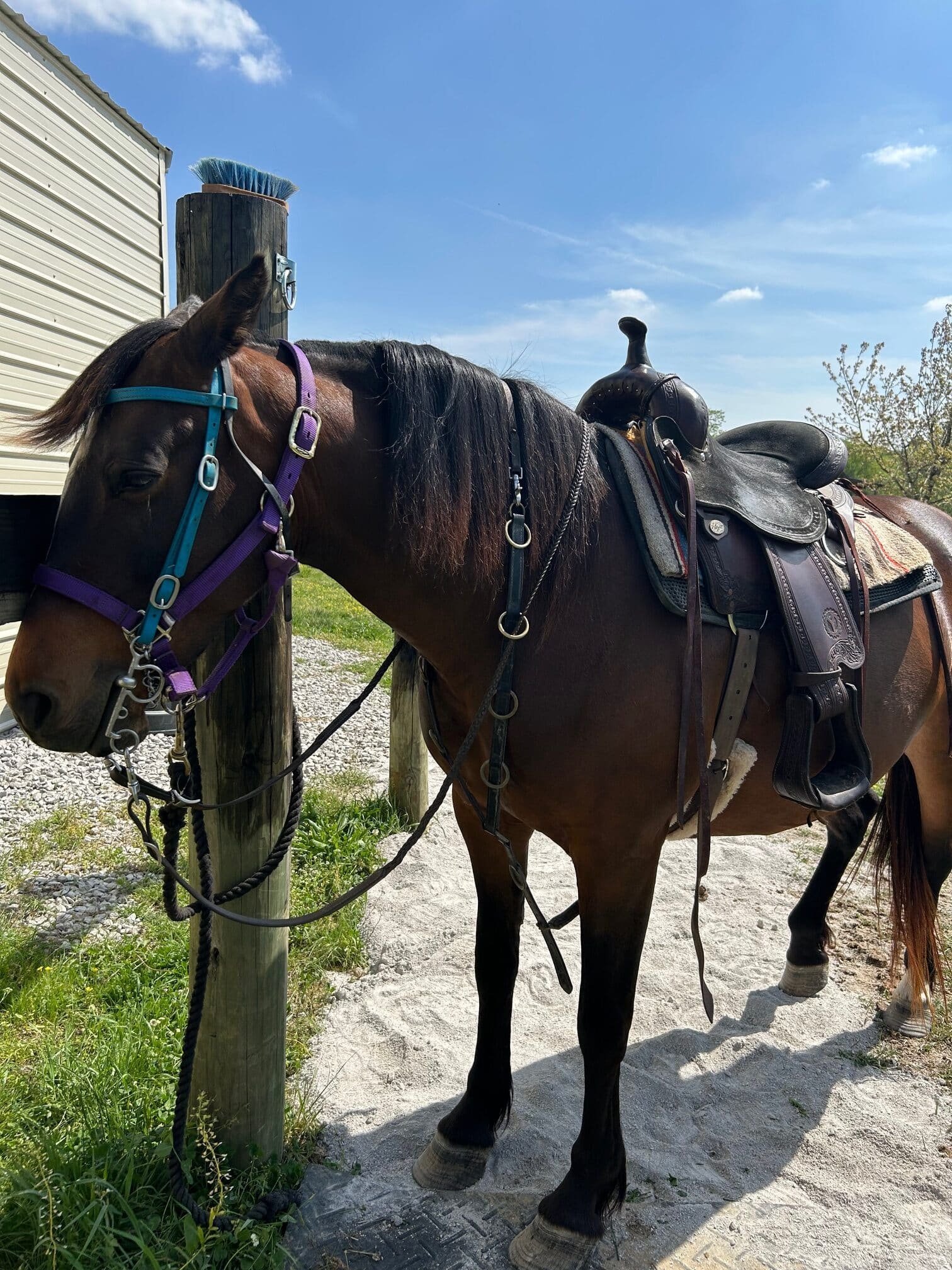
Therapeutic Riding
Focuses on improving balance, coordination, posture, and confidence through horseback riding, often adapted for individuals with physical or developmental disabilities (Eagala, WebMD).
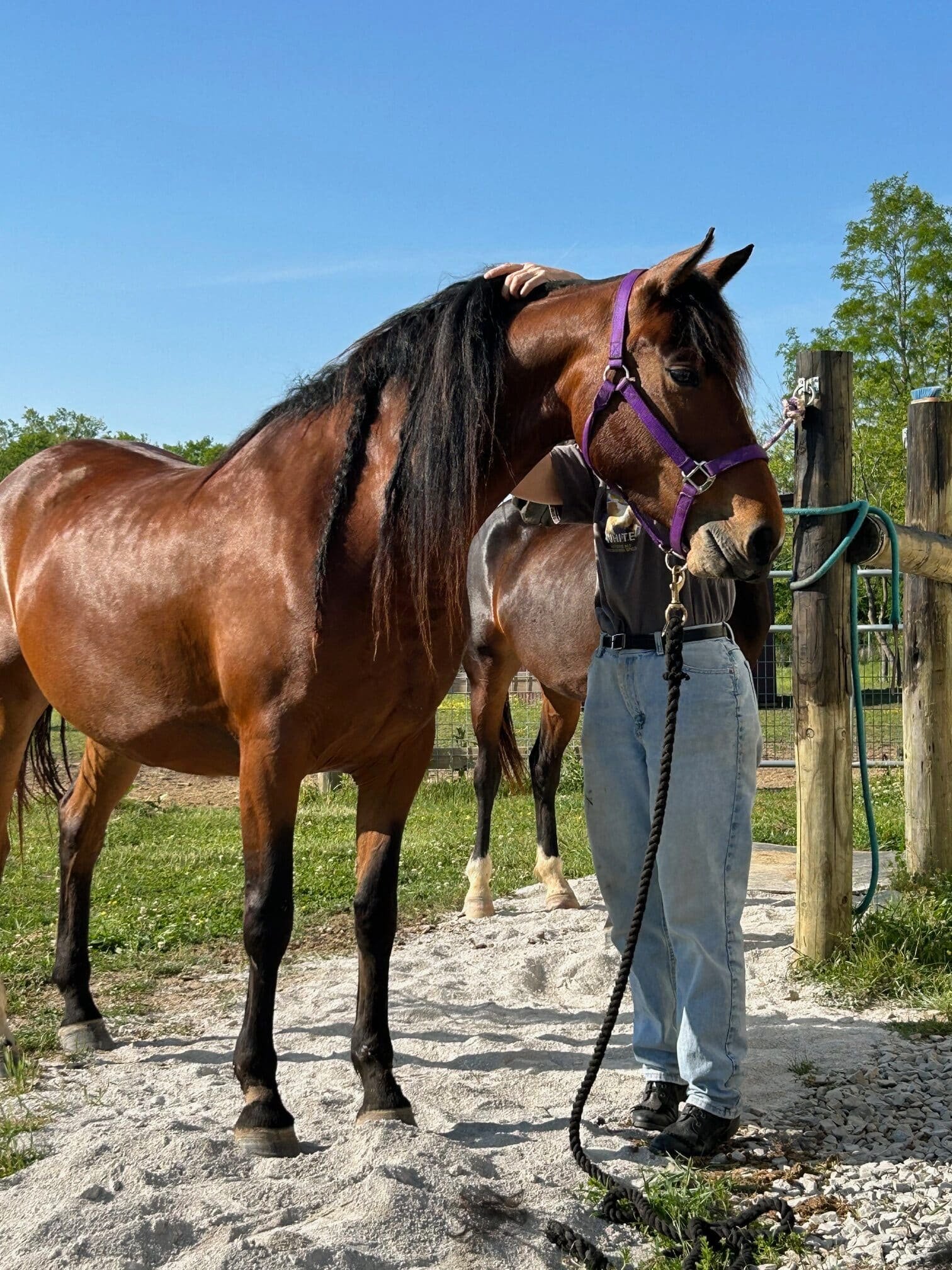
Hippotherapy
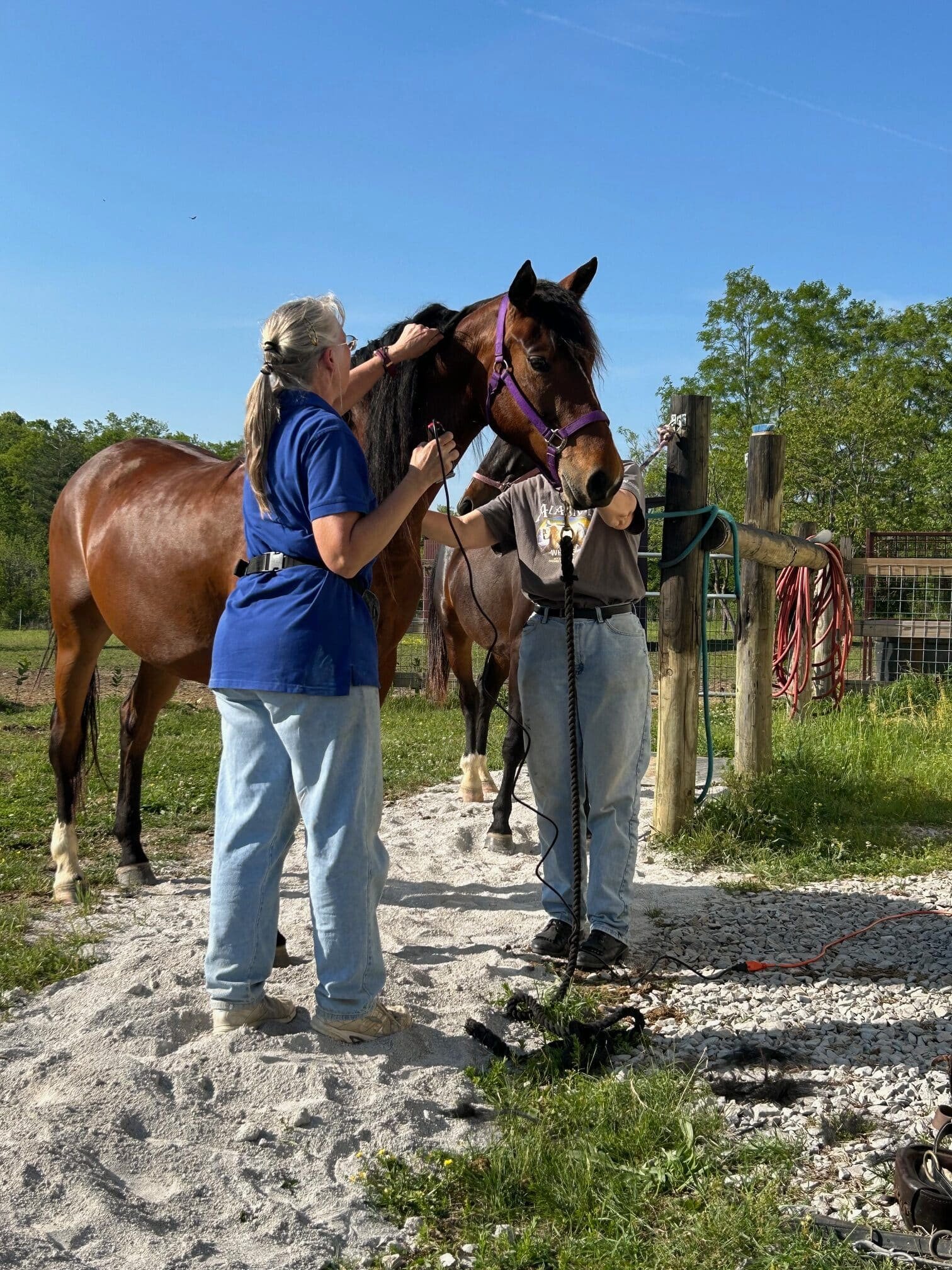
Equine-Assisted Psychotherapy (EAP)

Equine-Assisted Learning (EAL)
How It Works
Horses are highly sensitive and respond authentically to human emotions, providing nonjudgmental feedback that helps clients recognize and regulate their feelings. Activities may include grooming, leading, obstacle courses, or riding, followed by reflection with the therapist to connect horse behavior to personal patterns (Eagala, Psychology Today). This experiential approach can enhance self-esteem, empathy, trust, and emotional resilience.
Benefits
Equine therapy has been shown to support:
- Mental health: Reduces anxiety, depression, PTSD symptoms, and improves emotional regulation (Psychology Today, AAC).
- Physical development: Enhances balance, coordination, and motor skills through riding or movement-based activities (WebMD, Eagala).
- Social and cognitive skills: Encourages communication, teamwork, and problem-solving (WebMD, AAC).
- Addiction recovery: Provides emotional support, builds self-efficacy, and complements traditional behavioral therapies (AAC).