
Art Therapy
Art Therapy
Art therapy is a versatile, evidence-based approach that supports mental, emotional, and physical health. By engaging both verbal and nonverbal pathways, it provides unique avenues for healing, stress reduction, self-expression, and personal growth, complementing traditional therapeutic methods.
Coming Soon


Mental Health Benefits
Art therapy has been shown to reduce symptoms of depression and anxiety, with studies reporting significant improvements in six out of nine trials for depression and six out of seven for anxiety. It is particularly effective for trauma recovery, helping individuals process and externalize traumatic memories without relying solely on verbal communication. Art therapy also enhances self-awareness, emotional resilience, and self-esteem, allowing individuals to explore feelings and develop coping mechanisms.
Stress Reduction and Physical Health
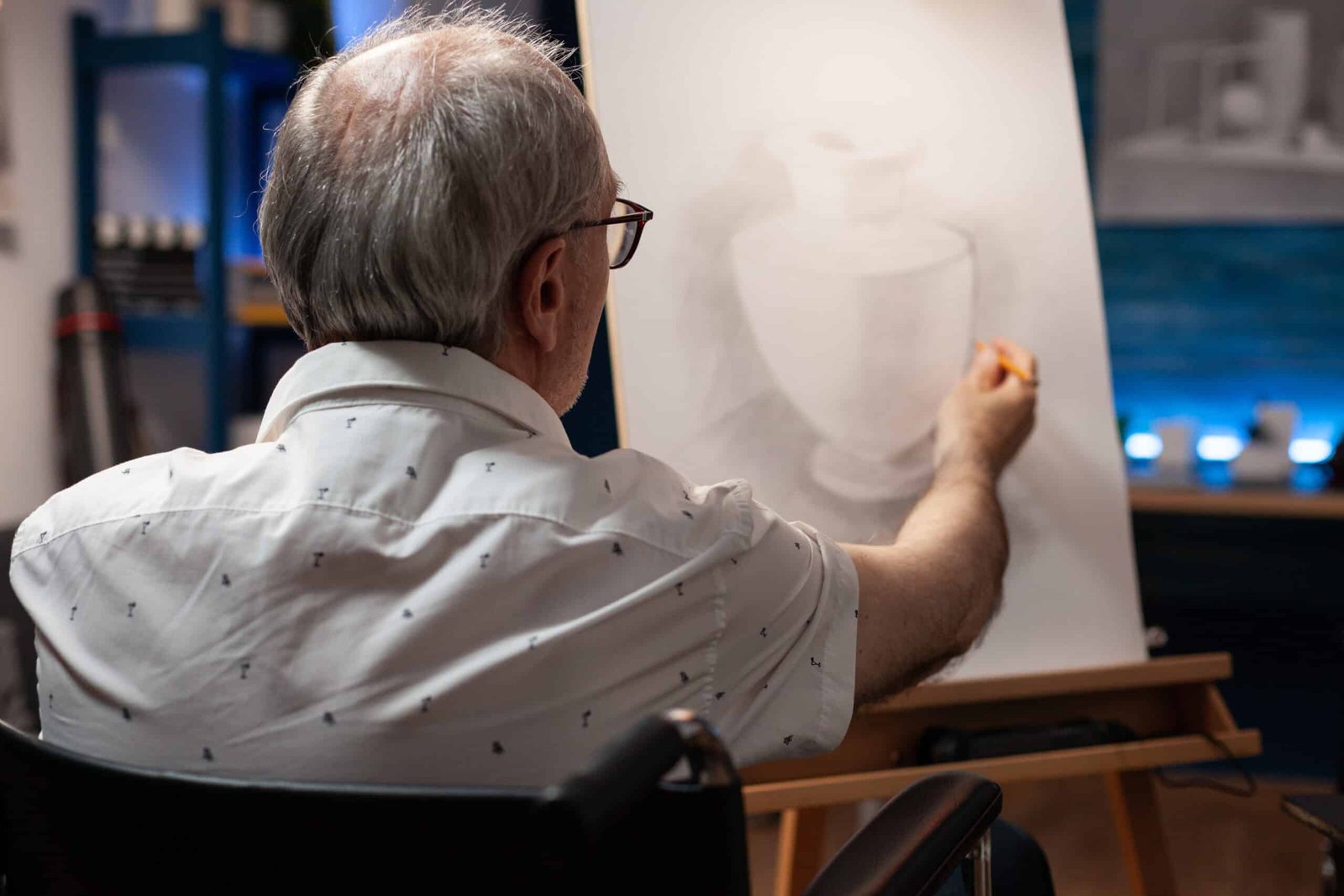
Engaging in art therapy can lower cortisol levels, the body’s primary stress hormone, and reduce the need for sleep medication in hospital settings. Patients participating in creative activities often experience shorter hospital stays and improved overall well-being. Art therapy also supports cognitive function, helping with concentration, memory integration, and problem-solving skills.

Social and Emotional Development
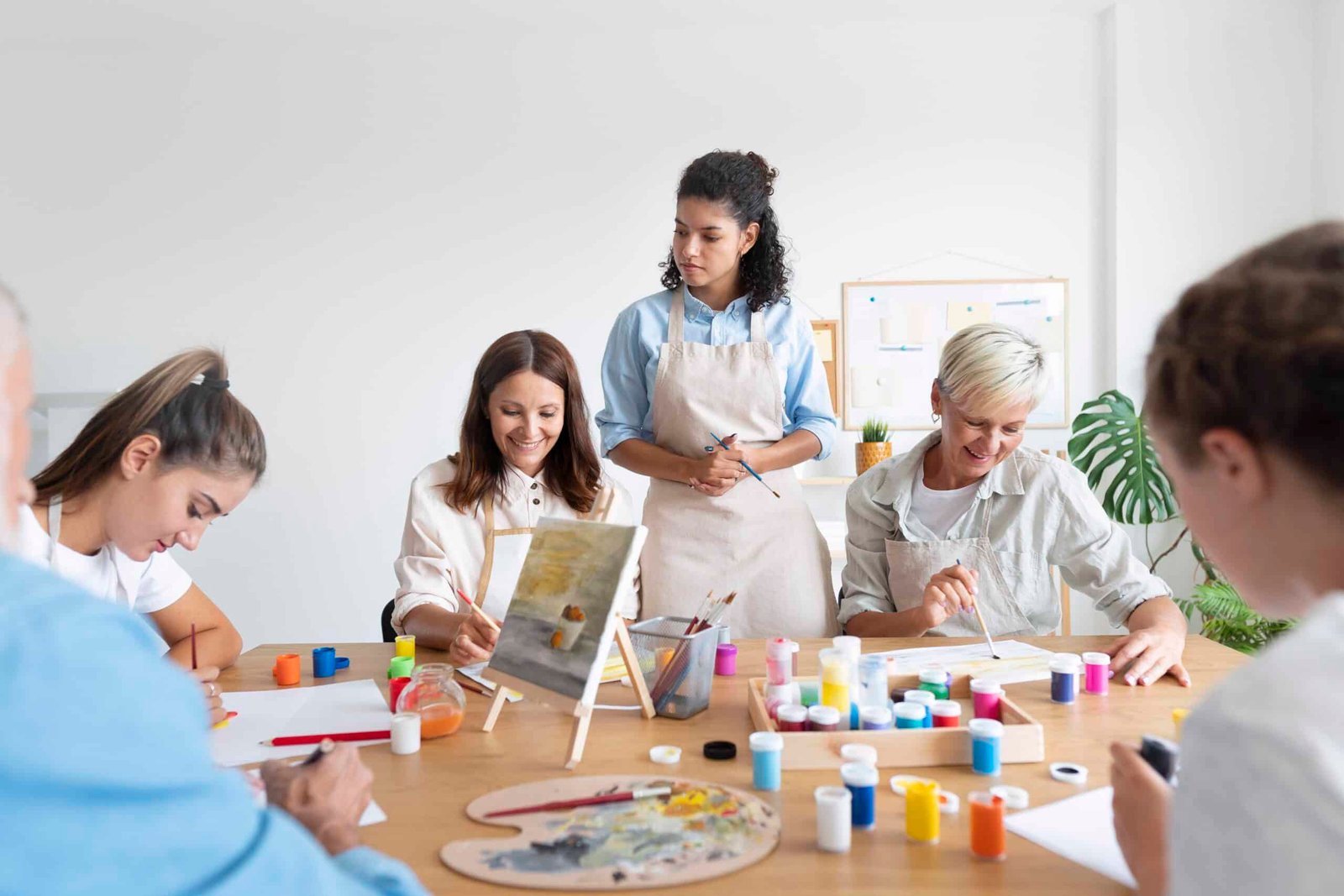
Art therapy fosters social skills and interpersonal connection, particularly in group settings, reducing feelings of isolation. It provides a safe space for children, older adults, and individuals with developmental or behavioral challenges to express themselves when verbal communication is limited. For caregivers and family members, participating in art therapy can reduce stress and increase positive emotions.
Accessibility and Inclusivity
Art therapy does not require prior artistic skill; the healing occurs through the process of creation, not the final product. This makes it accessible to people of all ages and backgrounds, allowing everyone to benefit from creative expression as a therapeutic tool.
Applications Across Settings
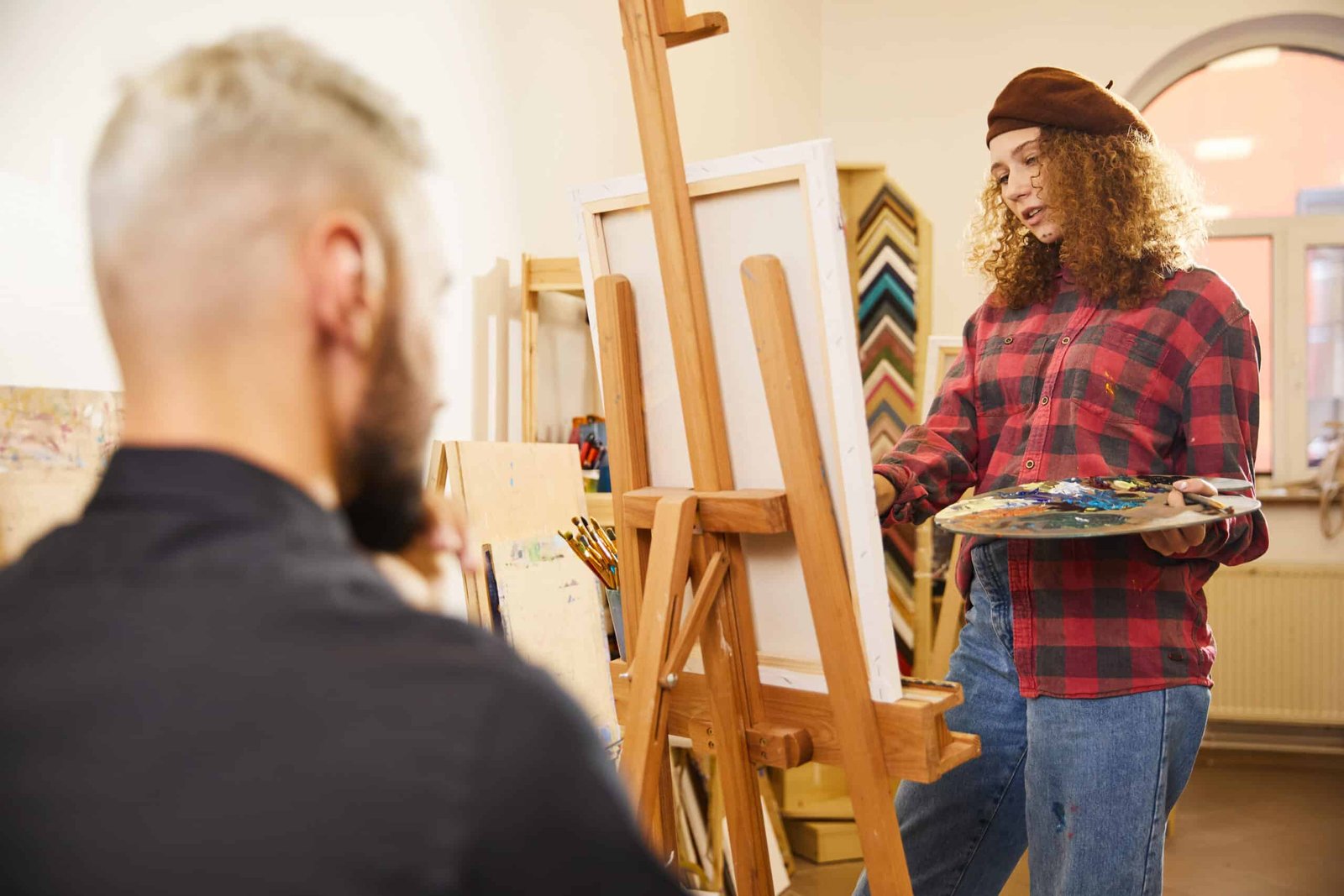
Art therapy is used in hospitals, psychiatric units, rehabilitation centers, schools, and private practice. It is effective for cancer patients, individuals with PTSD, dementia, or chronic illness, and those experiencing grief or emotional distress. Techniques include drawing, painting, sculpture, collage, music, and writing, tailored to individual needs.